Category Archives: Jean Zimmerman

Snow Now and Then

Three inches of white stuff and only two or three cars on the Thruway. We’ve become Californians, blanching at a bit of snow.

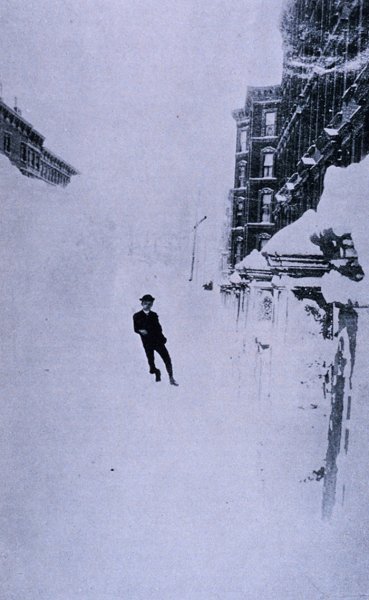
One hundred and twenty years ago, March brought New Yorkers the Great Blizzard of 1888. Snow fell to a depth of twenty one inches over three days, paralyzing the whole East Coast.

Madison and 49th Street, 1888

I came across dozens of pictures of the Blizzard in Yonkers, New York, when I was researching The Women of the House. I was so mesmerized, I felt like switching to write a book about the snowstorm in gilded-age Yonkers rather than the stone house Margaret Hardenbroeck built there in 1682. Bowler-hatted merchants outside snow-mounded shopfronts. The Yonkers train station, plowed under. Ladies dragging their hems through the drifts. Children scaling mountains of snow.

The Great Blizzard wasn’t all fun. Milk and coal totally ran out. Four hundred New York city residents died, hundreds were trapped in the snow. No trucks meant that snow had to be removed by horse and cart to be dumped in the East River.

But on a day like today, looking out the window,  I would love to experience the drama of that time.

p.s. Snow Cream: Set a pot outside to collect clean snow. Stir in vanilla and milk to taste.

2 Comments

Filed under History, Jean Zimmerman, Nature

A Question of Birds

Pileated Woodpecker

This morning I watched a pileated woodpecker carefully but deliberately investigate a hole in a tree just outside my window. A forearm long, it wore its red cap with aplomb.

I consulted Mannahatta (2009), the great compendium of information on the natural world of Manhattan circa 1609. The authors designate the pileated woodpecker a “likely” resident, along with the ring-billed gull, the black-capped chickadee, the passenger pigeon and hundreds of other birds. Less is known about the numbers in which you would find these species if you were also a resident of the island at that time.

We do know, though, from observations in the 1600s, that the passenger pigeon flew in such massive whorls overhead as to blot out the light of the sun at times. The passenger pigeon famously became extinct in the early 20th century, disappearing due to overhunting and habitat destruction. It was overhunted as a cheap meat for slaves and the poor, shipped by the thousand from the hinterlands to Manhattan at the turn of century and selling for two cents a pop.

But how many woodpeckers would you see in the seventeenth century? I like to think of the woods around my cabin, each tree host to a husky, bug-seeking red-headed bird.

2 Comments

Filed under Jean Zimmerman, Nature

Streets of Yore

Hoogh Straet — who has ever heard of it? Yet it used to run just behind the town hall, the Stadt Huys, on Manhattan Island when the town was New Amsterdam.

New Amsterdam Stadt Huys

Slick Steegh, Brouwer Straet, Brugh Straet, all were contained within the warren of unpaved streets between the East River and the Hudson. We don’t know them anymore. Well… some continue to exist, and when you walk them you are walking into history. Stone Street, Broadway, Pearl Street were as alive and bustling in 1663 as they are today, if a bit more pungent. Broad Street was broad because a canal ran through it. The Stadt Huys served the town long and well before becoming a tavern.

Leave a comment

Filed under History, Jean Zimmerman

America Eats

Reading a book that consists of the unedited manuscript of a WPA guide called America Eats, an in-depth description of the varied cuisines of the country as they existed in the 1930s. The Food of a Younger Land: The Northeast Eats is fascinating, ranging as it does from a discussion of a “C.O. Cocktail” — castor oil in soda served at a drug store, to a description of Vermont, where maple sugaring is so much a part of peoples’ lives that “sugaring off” became an expression. A person might close some transaction by saying, “Well, Ed, it’s about time we sugar that off.”

Leave a comment

Filed under Cooking, History, Jean Zimmerman

Snacks in the Dark

I was thinking about the dishes home cooks make, in particular the ones everyone acknowledges as “the best.” My sister-in-law’s butter-and-sugar laden “Mrs. Lemke’s cookies,” say, or my friend Josefa’s lasagna. In any age, I’m sure you could have found women with similar expertise if you just asked around.

If we were to travel back to 1663 New Amsterdam, walk down the moonlit streets, knock on the right door, we could find the most delectable stroopwafels in the community, or the most succulent hutspot. The stew in every household on the street might be just average, but Margaret had worked hers up into a simmering, steaming, savory confection of potatoes and carrots and turnips and beef. It would be the best you ever tasted, sitting around the fire in the half dark, listening to the wind whistle outside the window panes.

The only problem is getting there.

Leave a comment

Filed under Art, Jean Zimmerman

Taking Flight

A family of hawks lives on the ridge beyond the cabin. When we walk out the dirt road to get the mail, Oliver, my pit bull mix, never seems to notice, even when they zoom above our heads. Does the hawk see the dog? Would it like to grab him? He would be quite a mouthful.

Leave a comment

Filed under Home, Jean Zimmerman, Nature

Grandeur in Chicago

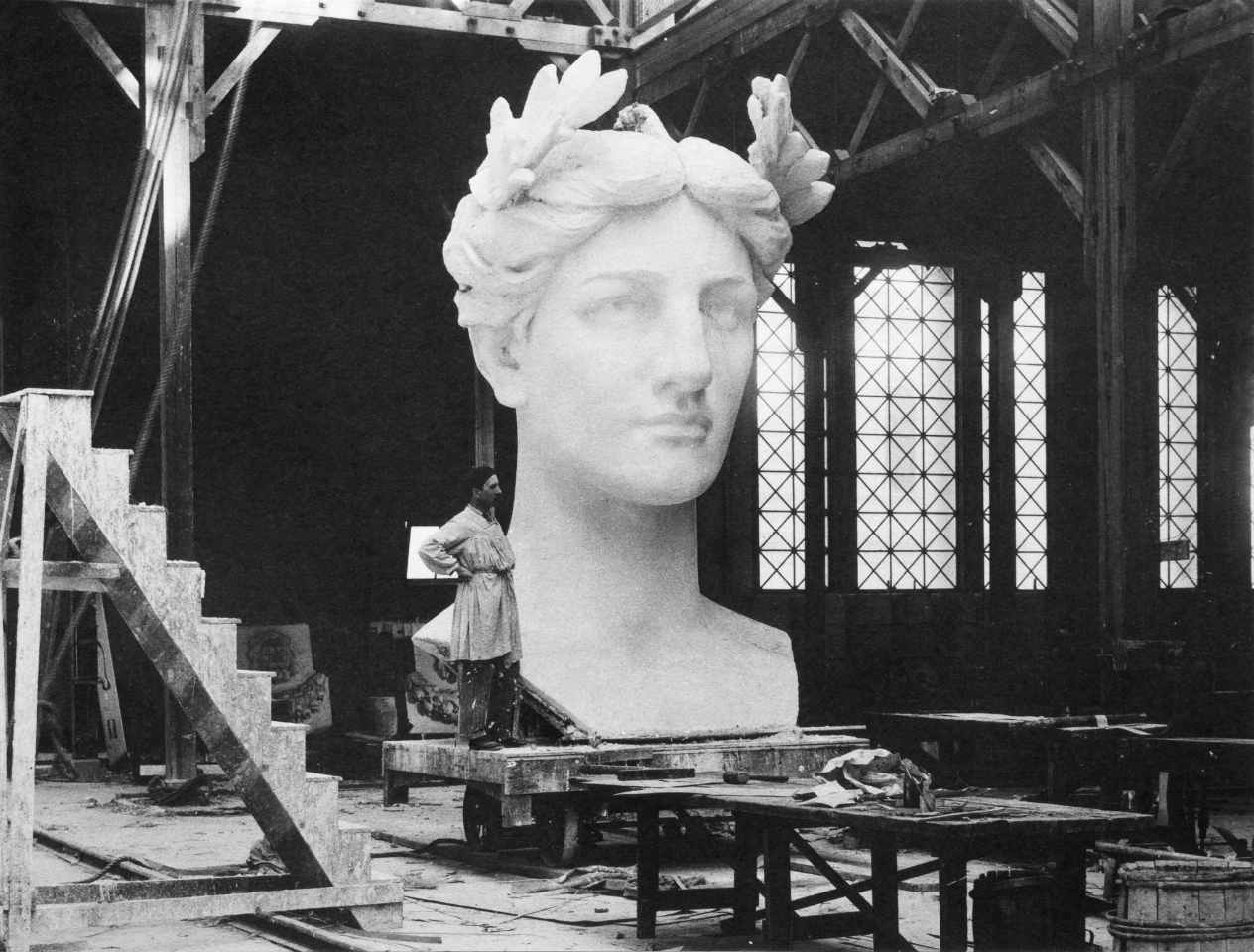
I am still haunted by the image of the colossal sculpted head of Edith Minturn’s visage, erected in the freezing cold warehouse where Daniel Chester French was assembling the grand Statue of the Republic for the 1893 world’s fair in Chicago. French’s wife said the pieces of the sculpture resembled “mushroom growths all about the floor of the Forestry Building” Ambulances were constantly coming to get the men injured while putting up the gigantic statue. It was almost as tall as the Statue of Liberty.

Leave a comment

Filed under Jean Zimmerman, Photography

They’re back!

She with the sparkling, vivacious countenance, and he in the shadows, rumpled and slightly hangdog. Mr. and Mrs. I.N. Phelps Stokes, Newton and Edith, rendered by John Singer Sargent and now hanging proudly in the refurbished American Wing at the Metropolitan Museum of Art. I think the new rooms look wonderful.

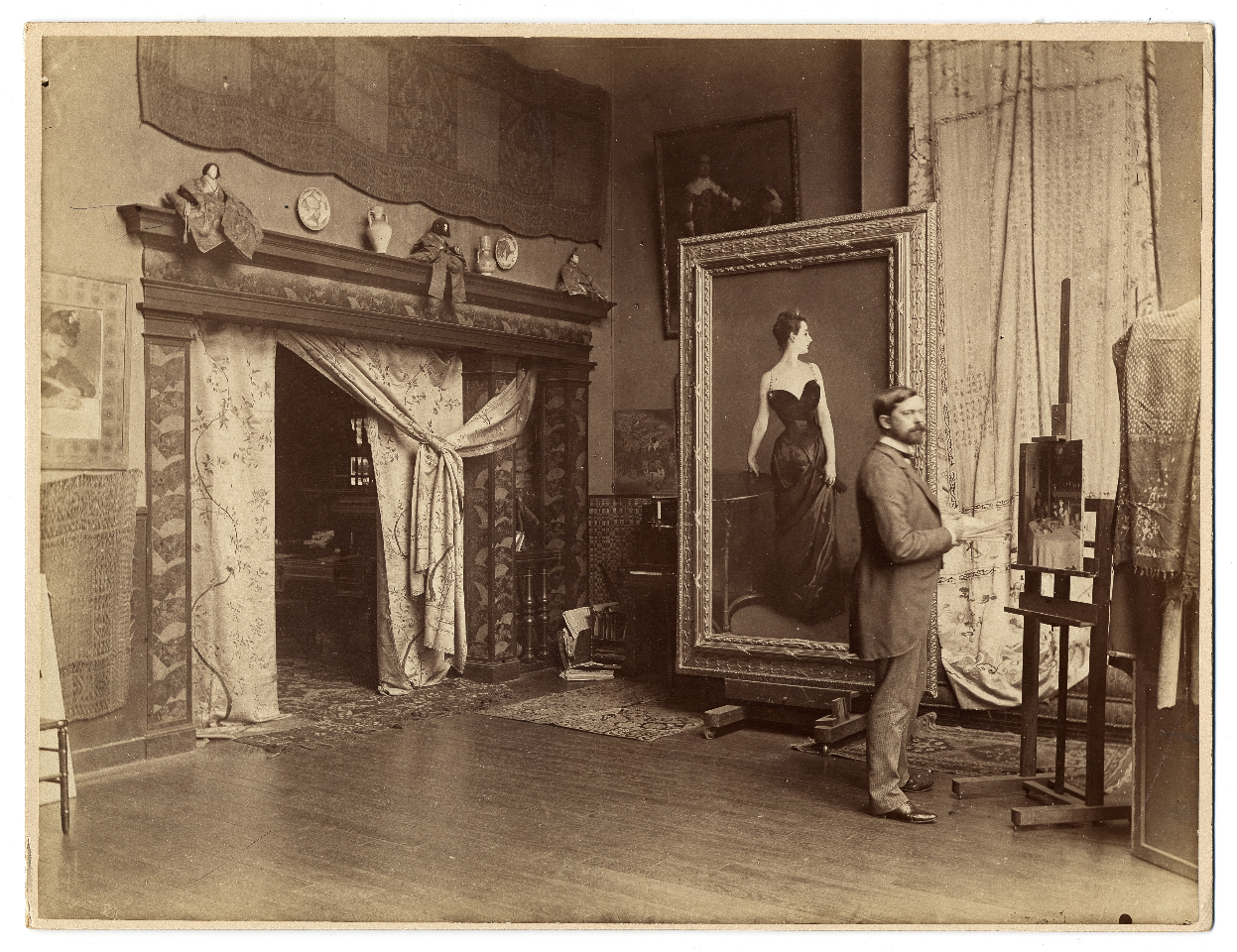
In this particular hall of Sargents Mr. and Mrs. Stokes take their place two steps down from the also spectacular Madame X. Edith and Madame X are of course completely different — X with her bone white shoulders, violet tinged nose and deep decolletage, Edith casual, rosy faced, draped in a tennis-ready long skirt of white pique. Edith buzzes with engaged energy, while Virginie Amelie Gautreau seems aloof, too cool for school.

John Singer Sargent in his studio

If you can’t get to the Met, you can take a virtual trip through their section of the exhibit, “Portraiture in the Grand Manner, 1880-1900,” courtesy of The New York Times, with a glimpse of Edith and Newton along the way.

Leave a comment

Filed under Art, Jean Zimmerman, Love, Fiercely

TWO BOOKS FOR 2012. ONE NON-FICTION, ONE FICTION.

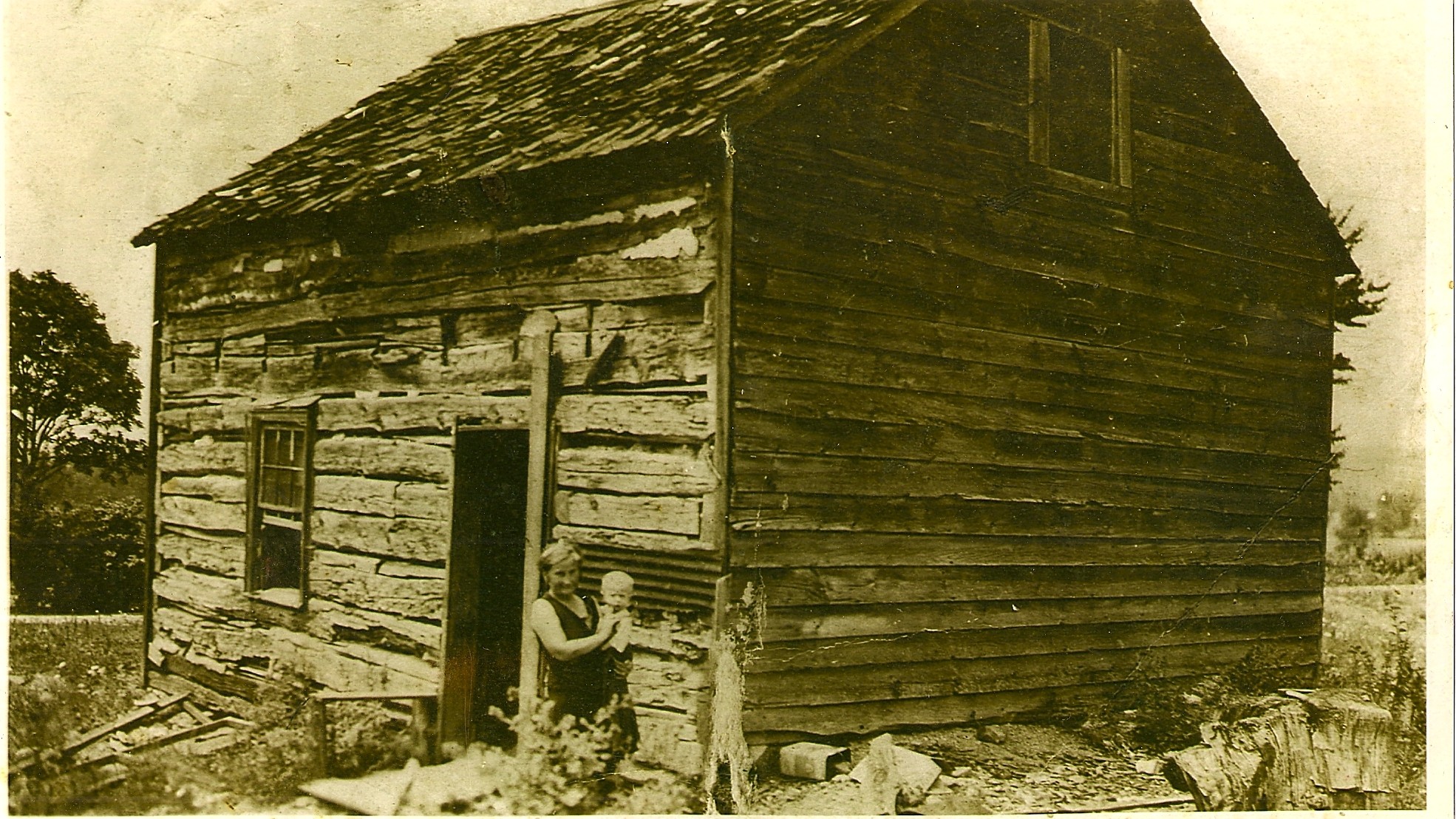
If I could dedicate a book to a place, where I live now would be that place. An 18th-century log cabin on six wilderness acres. The logs have been patched many times, the kitchen is in the basement and the outhouse (a two-seater) is crumbling, but it’s the perfect perch from which to fly to times gone by. James Joyce used to say that history was a nightmare from which he was trying to awake. In this cabin, history is a dream that I’m trying to fall into. It was here that Love, Fiercely came into being, the story of Newton and Edith Phelps Stokes,wealthy and progressive in Gilded Age Manhattan, to be published by Houghton Mifflin Harcourt. Then, the New Amsterdam-based novel about a 17th-century serial killer on the loose, The Orphanmaster, from Viking.

The past for me is a series of mysteries within mysteries, endless Chinese boxes. In my work I try to crack these open. You go into a mansion of a hundred rooms, say. Enter one room to start. What furniture is there, what hangs on the walls, what style is the hearth (there are as many kinds of hearth as there are houses)? Are the walls plaster? Is that a series of framed miniatures hung beside the mantel? Whom do they depict? Outside, on the façade, do you see Georgian brickwork, Tudor stone or simple clapboard? Of course, learning all of this detail serves to unlock the character of the people who live inside. And we haven’t even gotten to the petticoats yet. If ever I can’t make progress in my writing, I have a simple solution. Do more research. A surefire remedy for writer’s block.

The mystery about my house is that it wasn’t originally built where it is now, but carried here over seventy-five years ago. It was the kind of job that only a twenty-something with a lot of energy would attempt. In 1935, at the height of the Depression, a young man managed to move it, lock, stock and barrel, from the Delaware Water Gap to the lower Hudson Valley. Two rooms, one upstairs, one down, no indoor kitchen or plumbing. Built in the 1780s, the structure stood for a century and a half before it was dismantled log by log and transported a hundred miles to the east. The story goes that he relocated to be near his aunt, who lived just across the swamp from where the little cabin now sits atop a small hill. Someone else might question why anyone would move an ancient structure with all its dents and wrinkles, rather than just build anew. For me, it makes perfect sense.

LOVE FIERCELY: A GILDED AGE ROMANCE, March 2012

THE ORPHANMASTER, a novel, June 2012
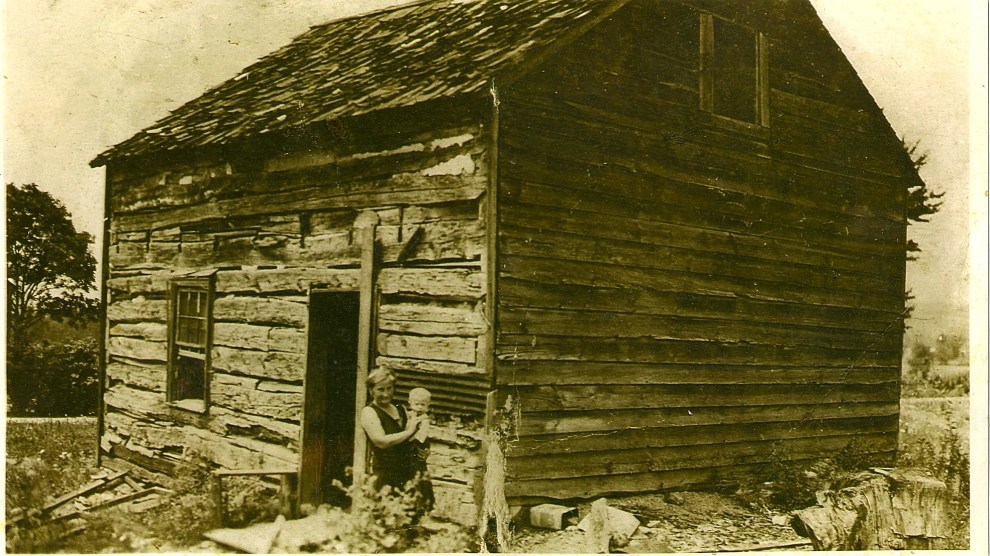
Original Delaware Water Gap site

Leave a comment

Filed under Jean Zimmerman